


July 13, 2026
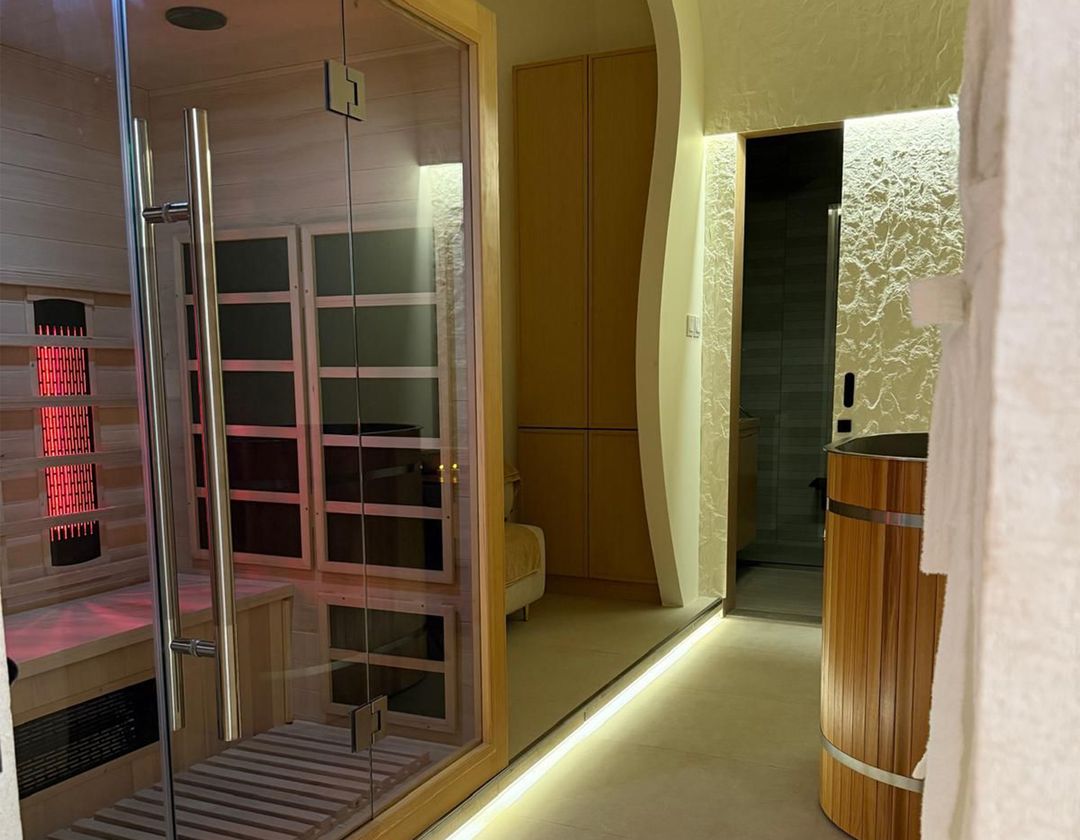
Contrast therapy has become an increasingly popular part of spa, wellness and exercise-recovery routines. The treatment involves moving between hot and cold environments, creating a refreshing experience that many people use to relax, recover and take time away from the pressures of everyday life.
A typical contrast therapy session may include the use of a sauna, steam room and cold plunge. By alternating between heat and cold in a controlled setting, guests can enjoy a treatment that feels both calming and invigorating.
Contrast therapy is a wellness practice that alternates periods of heat exposure with periods of cold exposure.
At Escape 8 Spa, this may involve spending time in the sauna or steam room before entering the cold plunge. The cycle can then be repeated depending on the length of the session, your experience and how comfortable you feel.
The heat provides a warm, relaxing environment, while the cold plunge creates a sudden cooling sensation. The contrast between the two is what gives the treatment its distinctive and revitalising feel.
A contrast therapy session usually begins with heat exposure. You may spend several minutes relaxing in the sauna or steam room, allowing your body to warm gradually.
This is followed by a shorter period in the cold plunge. After the cold stage, you can rest before repeating the process.
A simple session may look like this:
There is no need to push yourself to remain in either environment for longer than feels comfortable. Beginners should take a gradual approach and leave the sauna, steam room or cold plunge immediately if they begin to feel unwell.
People choose contrast therapy for several different reasons. Many guests use it as part of a wider wellness routine, while others enjoy it after exercise or alongside a massage treatment.
Spending time in a sauna or steam room can provide an opportunity to slow down and switch off. The contrast of the cold plunge can then leave you feeling refreshed and alert.
The overall experience can provide a welcome break from busy schedules, screens and everyday responsibilities.
Contrast therapy is popular with active people and gym users. Many guests incorporate it into their post-exercise routines as a way to unwind after physical activity and support their general recovery.
It should not be treated as a substitute for appropriate rest, hydration or professional advice where an injury is involved.
The sudden change between heat and cold can create an invigorating sensation. Some guests leave their session feeling refreshed, energised and mentally recharged.
Exposure to different temperatures causes the body to respond to the changing environment. This is one reason contrast therapy is often associated with circulation and physical recovery.
However, individual experiences vary, and contrast therapy should be approached as a wellness treatment rather than a medical treatment.
When combining contrast therapy with a massage, it is generally best to complete the contrast therapy first.
Using the sauna, steam room and cold plunge before your massage allows you to finish your visit with the more relaxing treatment. A massage afterwards can help you settle, unwind and avoid needing to return to extreme temperature changes once the treatment is complete.
You should also allow a little time between the two experiences and make sure you remain properly hydrated.
Contrast therapy does not require complicated preparation, but a few simple steps can make your visit more comfortable.
Arrive well hydrated and continue drinking water after the session. Avoid arriving immediately after a heavy meal, and give yourself enough time so you do not feel rushed.
You should also bring appropriate swimwear and follow any instructions provided by the spa team.
During the session, listen to your body. You do not have to stay in the cold plunge for a long time to take part, particularly during your first visit. Start slowly and build your confidence over time.
Yes, beginners can try contrast therapy. You do not need previous sauna or cold-plunge experience, but it is sensible to begin with shorter periods in each environment.
Cold water can feel intense at first, so focus on remaining calm and breathing normally. Leave the plunge whenever you need to rather than trying to match someone else’s time.
The same principle applies to the sauna and steam room. More time is not necessarily better, and the session should always remain within your personal comfort level.
Contrast therapy may not be suitable for everyone.
Speak to a qualified medical professional before taking part if you have a heart or circulatory condition, uncontrolled blood pressure, a history of fainting, sensitivity to temperature changes or another medical concern that could be affected by heat or cold exposure.
You should also tell the spa team about any medical conditions, recent surgery, injuries or other relevant health concerns before your session.
Do not use contrast therapy while under the influence of alcohol, when dehydrated or when feeling unwell.
Once your session is complete, allow your body to return gradually to a comfortable temperature.
Drink water, avoid rushing into intense exercise and give yourself time to relax. Some guests choose to follow contrast therapy with a massage, while others simply enjoy a quiet period of rest.
You may feel refreshed and invigorated afterwards, but everyone responds differently. Pay attention to how you feel and continue hydrating throughout the remainder of the day.
Contrast therapy offers a distinctive combination of heat, cold, relaxation and refreshment. Whether you are looking to unwind, enhance your recovery routine or try something new, it can be an enjoyable addition to your spa experience.
At Escape 8 Spa, you can experience contrast therapy using our sauna, steam room and cold plunge facilities in a calming and comfortable environment.
Visit our Contrast Therapy service page for full pricing and details, or book your session directly on Fresha.

Book Now

